


Innovation Beyond Borders: The Role of Tech Hubs in Shaping the Future
Innovation today is no longer defined by location or scale. It is shaped by access, relevance, and the ability to respond to real needs. Across different communities and sectors, tech hubs have emerged as spaces where skills meet opportunity and ideas are allowed to grow.
But the most impactful hubs are not just defined by infrastructure or programs. They are defined by people, trust, and the environments they create for learning and transformation.
Why Tech Hubs Matter in a Changing World
As technology continues to reshape how we work and govern, the demand for adaptable skills has never been greater. Tech hubs play a critical role in this shift by serving as learning platforms, collaboration spaces, and pipelines for talent.
They provide structured pathways for people who are eager to learn but unsure where to begin. More importantly, they create environments where innovation feels possible, not distant.
Beyond Infrastructure: The Human Side of Innovation
What often sets effective tech hubs apart is not just the tools they provide, but the atmosphere they create. In many hub-led programs, participants arrive seeking skills but stay because they feel seen, supported, and understood.
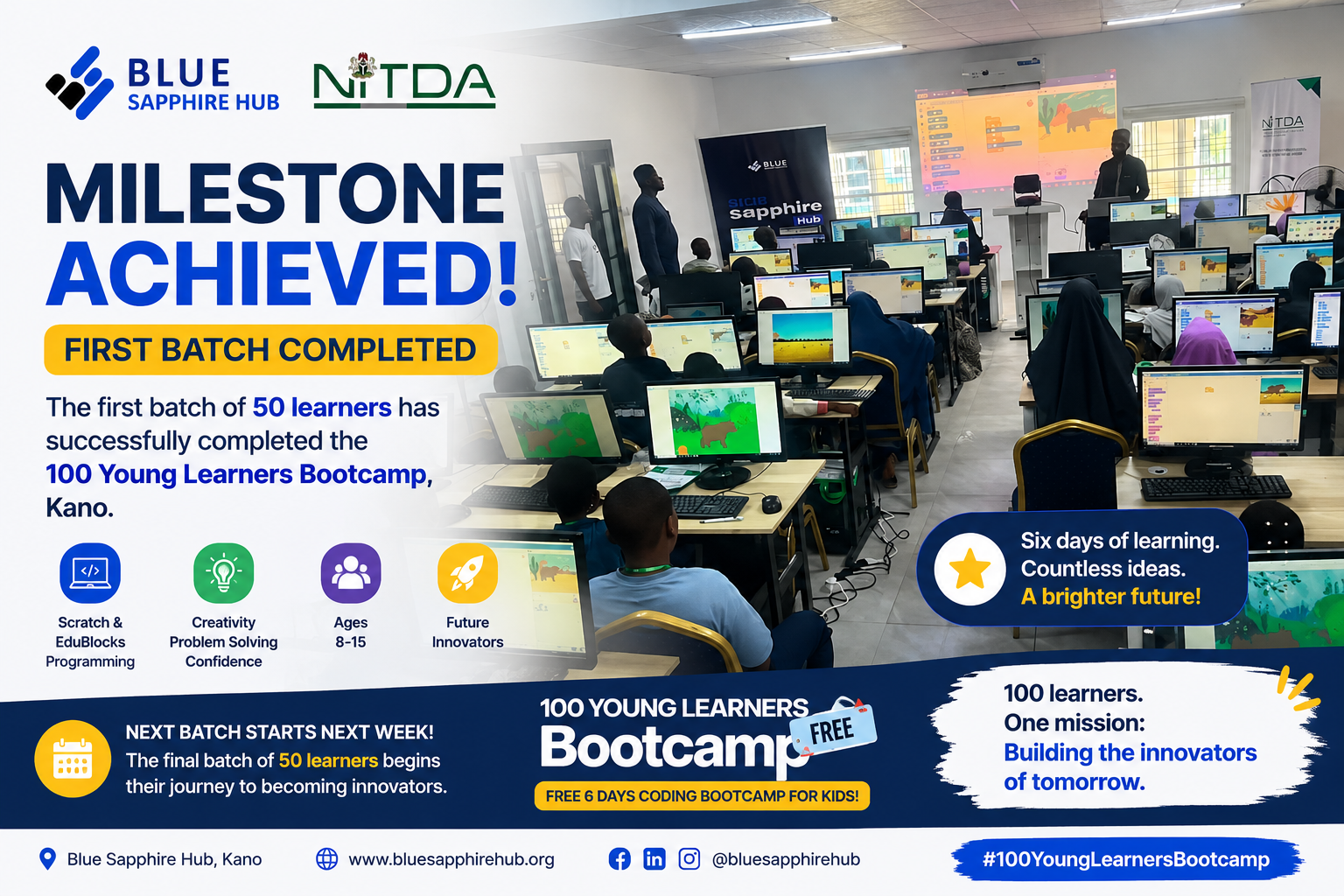
At Blue Sapphire Hub, participants often find comfort in knowing that the learning environment feels home-based and home-grown. Training sessions feel designed for them, not imported or imposed. This sense of familiarity allows participants to adapt quickly, engage openly with facilitators, and express themselves without hesitation.
Learning becomes less about pressure and more about growth.
When Innovation Meets Real Conversations
The value of tech hubs also extends beyond skills training. They serve as convening spaces where conversations that matter can happen. During a recent program that brought together local government actors and stakeholders under the Strengthened Leaders Aware Citizens-SLAC initiative, policy actors were able to openly share the challenges they face in digitizing their processes. What stood out was not just the discussion itself, but the openness to transformation. The conversations were honest, reflective, and focused on finding practical ways forward.
Moments like these highlight the role tech hubs play in enabling change—not by forcing solutions, but by creating safe spaces for dialogue and collaboration.
Lessons from Practice
Experiences like these offer important lessons about what makes innovation sustainable:
- People learn best when training feels relevant and personal
- Transformation happens faster when individuals feel ownership of the process
- Long-term impact requires patience, leadership, and trust
With a strong focus on people-centered and often free programs, BSH continues to act as a home-based catalyst for change, ensuring access to skills and platforms that drive growth.
Thinking Beyond Today
A recurring question in innovation work is not just what impact is made, but how long that impact lasts. For tech hubs, this means designing programs and spaces that do more than deliver short-term results.The future of innovation depends on hubs that remain adaptable, people-focused, and committed to long-term value creation. As digital transformation continues to evolve, tech hubs will remain essential in shaping inclusive and sustainable progress, wherever they operate.